Understanding the process of an oral cancer screening can ease worries. Many people feel anxious before a dental visit, especially if they fear bad news about their health. Oral cancer screenings help identify potential problems early and keep smiles healthy.
Did you know that early detection greatly increases survival rates for many cancers? During an oral cancer screening, dentists look for suspicious lesions and other signs in the mouth and throat. Here you will learn what to expect during this important exam, including details about tissue assessments and biopsy procedures, to better prepare readers for their next dental checkup.
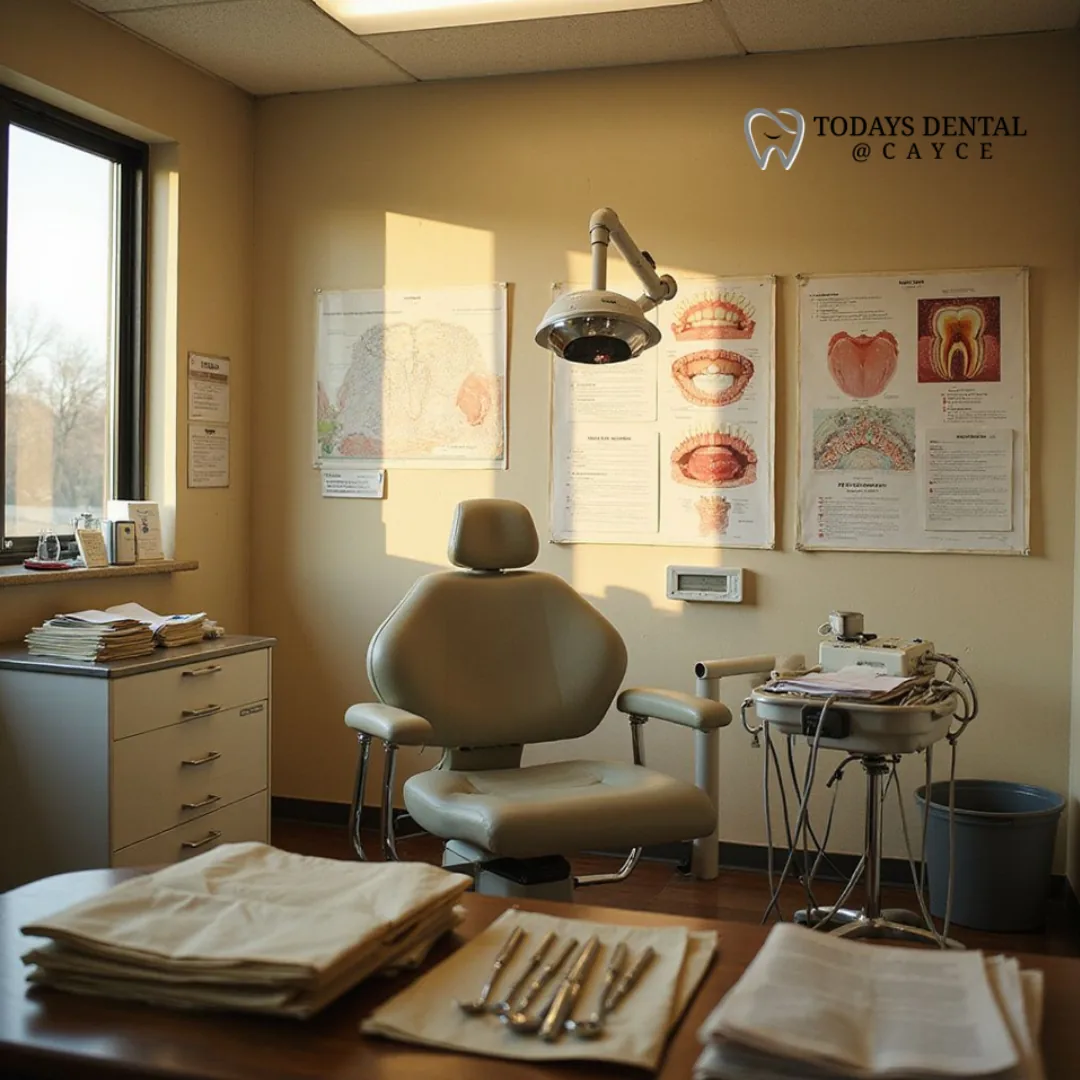
During an oral cancer screening, the dentist conducts a thorough check of the patient’s mouth, throat, and surrounding areas. The process starts with a visual inspection under high-quality lighting.
The dentist looks for any unusual lesions or soft tissue changes that may indicate health issues. This includes checking for mouth sores and assessing any abnormal lumps or bumps. Next, the dentist performs a tactile examination by feeling around the jaw and neck area. They examine lymph nodes to detect any swelling that might signal risk factors for cancer.
For patients presenting concerning symptoms or findings during this examination, the dentist may recommend a biopsy to analyze tissue samples further. Early detection plays a crucial role in successful treatment outcomes; therefore, regular dental exams become vital in maintaining excellent oral health and preventing serious conditions like cancer.
After the step-by-step overview of an oral cancer screening, patients prepare for the actual exam. The dentist will start with a thorough examination of the mouth and soft tissue. High-quality lighting helps them spot any abnormalities or oral lesions. They may check for mouth sores and other signs that could indicate cancer.
During the exam, dentists usually ask questions about risk factors related to oral health. After completing the screening process, they will discuss findings immediately. If needed, they might recommend a biopsy to assess any suspicious areas further. Patients can expect guidance on next steps based on their results and advice for preventative care moving forward.
Results from an oral cancer screening can vary. The dentist checks for abnormal findings, like mouth sores or lesions. If everything looks normal, patients receive reassurance about their oral health. Those with concerning signs may require further tests like a biopsy.
Patients should discuss the results with their dentist to fully understand them. High-quality lighting during the examination helps detect subtle changes in soft tissue. Knowing risk factors can also play a role in future screenings and prevention strategies. Continuing regular dental checkups is essential for ongoing oral health and early detection of any issues.
The dentist does an oral examination during your dental exam. They check oral health and look for mouth sores. They shine high quality lighting on the soft tissue and do a quick throat check.
The screening process starts with a visual check. The dentist does a dental examination of the mouth and throat. They do a focused tissue assessment and note any changes.
They look for mouth sores, lumps, and color change in soft tissue. They watch signs that help cancer detection. They review risk factors that raise concern.
The dentist will do a closer tissue assessment. The screening procedure may include a referral for a biopsy. That test checks the tissue and helps with early detection.
Ask at each dental checkup. Regular screening helps oral health and cancer awareness. It improves chances for early detection and cancer detection.
Tell us a little about what you need — we'll be in touch shortly.
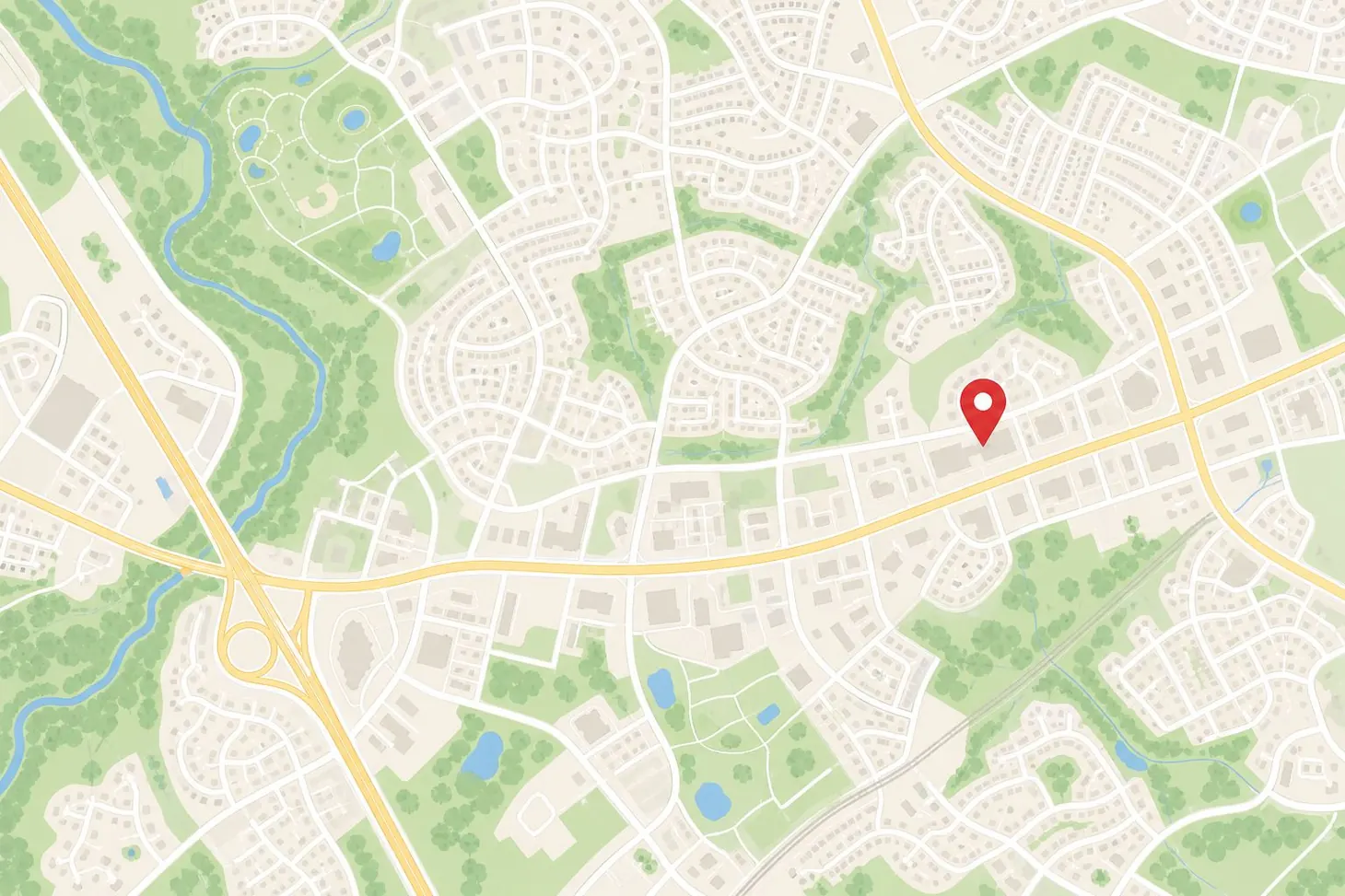
1305 Knox Abbott Dr suite 101, Cayce, SC 29033, USA
Hi! I'm Tooth fairy! Your AI Assistant Ask me anything