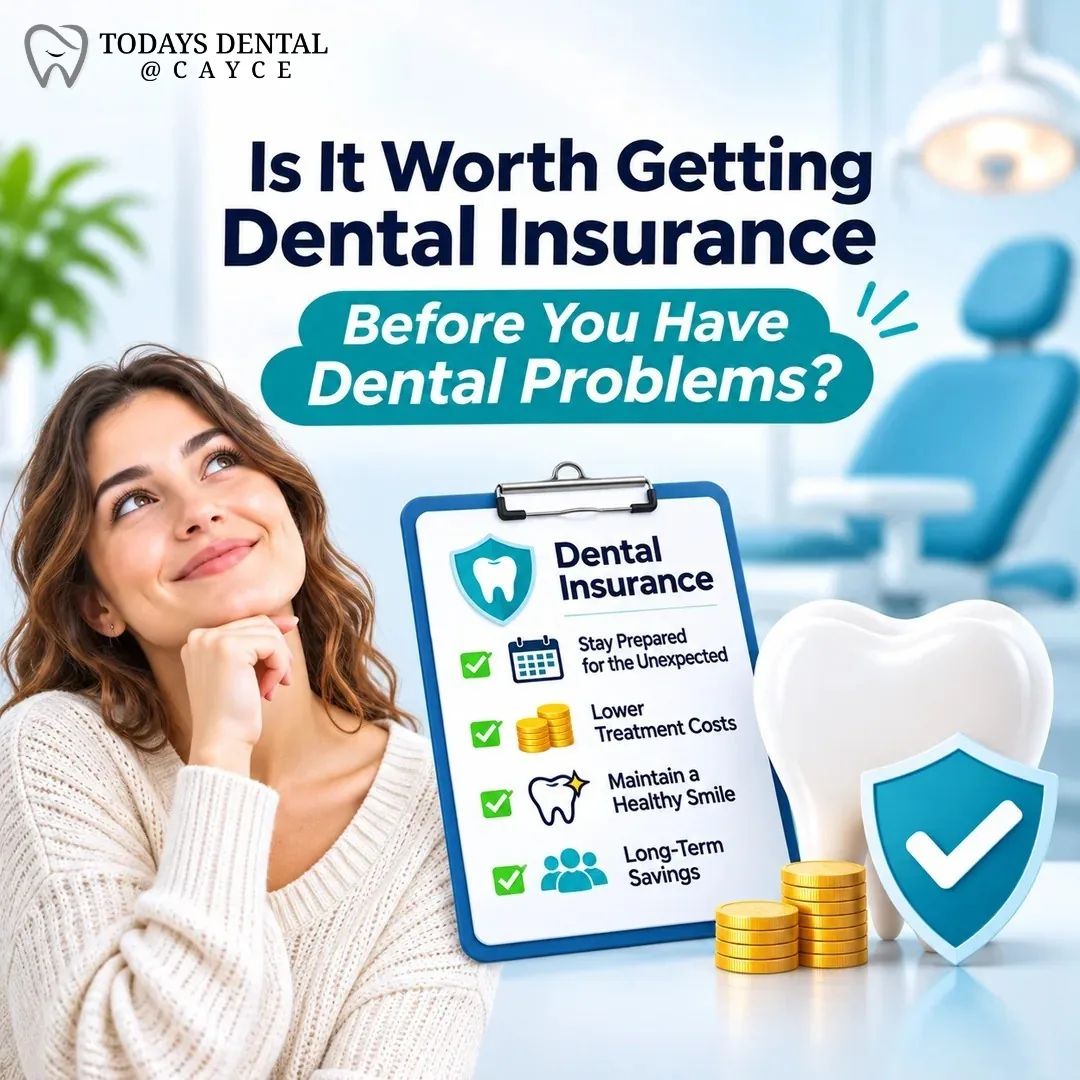
Many people delay dental care because of cost. They hunt online for a general dentist or a pediatric dentist and stall at the appointment page. They wonder if buying individual dental insurance before any pain shows makes sense.
Most plans cover preventive care as a main benefit. This guide will show what those plans pay for and what they do not. It will compare plan types, costs, and waiting periods. It will help readers decide if buying individual dental insurance now saves money later.
Dental insurance can feel like a puzzle, but understanding it makes all the difference. It covers preventive care and helps with basic and major dental work, which can save money in the long run.
Most dental plans cover preventive care as a primary benefit. Regular checkups with coverage help dentists spot issues early, often avoiding costly future treatments. Basic restorative care coverage is critical when picking individual dental insurance plans.
Insurance can cover up to 50% of the costs for serious procedures, but plan maximums have not kept pace with rising dental costs.
One patient reported that having individual dental insurance plans pushed them to schedule two cleanings a year and let a dentist catch a cavity early. People without insurance often delay care, which can harm their health. Waiting to buy coverage until problems appear can prove harmful over time.
After preventive visits catch problems early, coverage for basic and major procedures matters. Preventive care usually serves as the primary benefit in many plans. Basic restorative care, such as fillings and root canals, counts as critical when choosing a plan. Major services like crowns and dentures are likely covered and can cut those bills by up to 50 percent.
Dental insurance helps people afford routine checkups and big fixes, so they do not skip care because of cost. If out-of-pocket costs discourage someone from routine care, dental insurance is worth the cost.
People without insurance tend to delay visits, which can harm health and lead to costlier treatments. Plans still set yearly maximums that have not kept pace with rising dental costs, so buyers should check limits before signing.
Choosing a dental insurance plan can feel overwhelming. Various options exist, including HMO, PPO, and indemnity plans. Each type offers different benefits and costs. Additionally, dental discount plans provide an affordable way to save on treatments without the restrictions of traditional insurance.
The following table compares HMO, PPO, and Indemnity dental plans for people looking for a dentist.
| Plan Type | Network & Access | Cost & Payments | Coverage Highlights | Waiting Periods & Limits | Best For |
|---|---|---|---|---|---|
| HMO (Dental Health Maintenance) | - Members use a set network of dentists. - Referrals are often required for specialists. | - Premiums tend to be lower. - Copays are fixed for many services. | - Preventive care is a primary benefit in most plans. - Basic restorative care is commonly covered and is critical when choosing a plan. - Major services such as crowns and dentures are likely to be covered, often with partial payment, sometimes up to 50% of costs. | - Some plans impose waiting periods for major work. - Coverage limits exist and maximums have not kept pace with rising dental costs. | - People who want predictable cost. - Patients who plan routine checkups and preventive visits. |
| PPO (Preferred Provider Organization) | - Members get more dentist choices. - Out-of-network care is allowed, with higher out-of-pocket costs. | - Premiums are moderate to higher. - Deductibles and coinsurance apply to many services. | - Preventive visits are usually covered as a main benefit. - Basic restorative work is often included, supporting long term dental health. - Major restorative procedures like crowns and dentures usually receive partial coverage, often covering up to about 50% of costs. | - Waiting periods may apply to major procedures. - Annual maximums can limit total benefit, which may leave larger bills to patients. | - Families who want flexibility. - Those who value access to many dentists. |
| Indemnity (Fee-for-Service) | - Members may visit any licensed dentist. - No network restrictions apply. | - Premiums vary widely. - Reimbursement is based on a fee schedule; patients may pay up front then file claims. | - Preventive care is commonly included. - Basic restorative coverage is available and important for cost control. - Major services, such as crowns and dentures, tend to be covered partially, sometimes up to 50% of the billed amount. | - Waiting periods often apply for extensive work. - Benefit maximums can leave patients with sizable out-of-pocket bills. | - Patients who want full freedom of dentist choice. - People who value direct billing flexibility. |
| Dental Discount Plans | - Not insurance. - Members use participating dentists for reduced fees. | - Low annual fees. - No deductibles or claim forms in many cases. | - Preventive visits get discounted rates. - Restorative and major services receive fee discounts instead of insurance payouts. - These plans lower costs, but they do not pay a share of bills. | - No waiting periods for discounts in many plans. - No annual maximums because the plan is not traditional insurance. | - People who want lower immediate costs. - Those who do not need benefit reimbursement. |
| Key Facts for Decision | - Most dental plans make preventive care their main benefit. - Basic restorative coverage is considered critical when selecting a plan. - Major restorative services like crowns and dentures are likely to get partial coverage. - Dental insurance can help cover up to 50% of serious procedure costs. - If out‑of‑pocket costs stop routine care, insurance is worth the price. - People without dental insurance often delay dental visits long term, harming overall health. - Waiting to buy insurance until a problem appears can harm general health. - Insurance reduces treatment costs, making checkups and major procedures more affordable. - Regular preventive checkups help dentists catch issues early and avoid expensive future treatments. - Dental insurance is not traditional insurance; annual maximums have lagged behind rising dental expenses. |
Dental discount plans offer a different approach to keeping dental costs manageable. These plans can provide discounts on services rather than traditional insurance coverage. They typically allow members to save money on preventive care and treatments like fillings or crowns.
People benefit from these plans by accessing lower rates at participating dentists. For many, these savings make routine checkups affordable and easier to manage financially. Dental discount programs help ensure that people get the care they need without having to put it off due to high costs.
Dental insurance costs can add up quickly. Premiums, deductibles, and copays all play a role in how much a person pays each year.
People should compare premiums, deductibles, and copays before buying a policy.
| Item | Summary Points |
|---|---|
| Premiums | They are the monthly costs to keep coverage active. Higher premiums usually lower copays and deductibles. Most plans pay for preventive care as a primary benefit, so a higher premium may pay off with regular cleanings. Plans vary in price, so compare costs against expected visits. |
| Deductibles | Deductibles are the amount paid before coverage shares costs. Basic restorative care coverage is critical when choosing a plan. A high deductible can delay treatment if a person pays out of pocket. Without coverage, people often postpone care, which can harm long term health. |
| Copays and Coinsurance | Copays are fixed fees per visit or service. Coinsurance shares a percentage of procedure costs. Insurance can help cover up to 50% of serious procedure costs. Major restorative services such as crowns and dentures are likely to be covered, often with coinsurance. |
| Out-of-Pocket Examples | A routine checkup often has a low copay or no cost with most plans. A crown may see insurance cover up to half the bill, leaving the remainder to the patient. Regular preventive checkups with insurance help detect problems early, lowering future bills. |
| When Insurance Pays Off | If out-of-pocket costs stop a person from routine care, insurance is worth it. Coverage reduces treatment costs, making both checkups and major procedures more affordable. Getting insurance before problems appear avoids harmful delays in care. |
| Limits and Caveats | Plans are not traditional insurance; they set annual maximums. Maximum coverage limits have not kept pace with rising dental costs. Waiting periods and exclusions for pre-existing conditions often apply. Review waiting periods and exclusions before buying. |
Out-of-pocket expenses can add up quickly for dental care. Many people find that their insurance does not cover everything. While most plans cover preventive care, they might only pay a portion of restorative services.
Basic procedures usually receive some coverage, but major procedures like crowns and dentures may leave patients responsible for significant fees.
Dental insurance helps cut these costs. It can cover up to 50% of serious procedures, making treatments more affordable. Without insurance, individuals often delay visits until problems worsen, which can lead to higher long-term costs down the line. Investing in dental insurance now means accessing better financial support later on when unexpected issues arise.
Waiting periods can make patients anxious. They may discover they must wait months before their coverage kicks in, especially for major treatments.
Dental insurance often comes with waiting periods before coverage kicks in. Many plans require members to wait anywhere from three to twelve months for certain services. This can create a gap, especially if issues arise soon after enrollment. Individuals might think they can sign up only when problems appear, but that approach could backfire on health.
People without dental insurance tend to delay treatment, leading to more serious issues later on. Without timely preventive care, small problems may escalate into costly treatments down the line. Dental insurance encourages regular checkups and helps detect issues early, ultimately saving money and safeguarding overall health.
Dental insurance often excludes coverage for pre-existing conditions. This means if a person already has dental issues before getting their plan, the insurance won't pay for treatments related to those problems.
Many plans focus on preventive care as a main benefit, helping individuals avoid major issues down the line. However, someone with existing problems may find themselves stuck with hefty bills or no coverage at all.
Insurance providers view these pre-existing conditions differently than routine checkups or basic restorative care. While most plans cover preventive visits without complications, they typically don’t extend that generosity to issues that already exist at enrollment time. Individuals should consider this limitation when choosing a plan to ensure they understand what will and won’t be covered later on.
Getting dental insurance early provides immediate access to preventive care. This approach helps people manage costs and avoid unexpected dental issues down the road.
Dental insurance provides immediate access to preventive care. Most plans cover routine checkups, cleanings, and X-rays as primary benefits. Regular visits help dentists spot problems early.
Detecting issues early can save money on costly treatments later. People without insurance often put off these visits; this delay can harm their dental health in the long run. Preventive care keeps smiles bright and avoids painful surprises down the road. Dental insurance makes regular checkups affordable for everyone, allowing individuals to prioritize their oral health consistently.
Immediate access to preventive care leads to significant savings in the long run. Regular checkups with dental insurance help dentists catch issues early. This proactive approach prevents costly procedures down the road, like crowns or dentures. Often, dental insurance covers up to 50% of serious treatments. This coverage makes unexpected expenses easier to manage.
People without insurance may hesitate to visit the dentist regularly. Skipping appointments can lead to bigger problems later on, which can become a financial burden. Those who get insured before encountering issues tend to spend less over time on their dental health.
They avoid hefty out-of-pocket costs and maintain better overall health with routine visits. Investing in dental insurance today pays off tomorrow by lowering long-term dental costs dramatically.
Dental insurance can cover unexpected dental issues that might arise. People often face sudden problems like a cracked tooth or severe decay, which can lead to costly treatments. Insurance can help absorb some of these costs.
It may cover up to 50% of major procedures such as crowns and dentures. For those who hesitate due to out-of-pocket expenses, having insurance makes it easier to seek care when needed.
Without coverage, individuals may postpone visits, delaying necessary treatment and risking their overall health. Getting insurance early allows immediate access to preventive care and aids in detecting problems before they escalate into emergencies. This proactive approach keeps future dental bills lower and helps maintain better oral health for the long run.
Before buying dental insurance, individuals must reflect on their past dental health. They should also assess how often they visit the dentist and what fits their budget best. This reflection will help them make better choices in the long run. Knowing these details can lead to beneficial savings and peace of mind later on.
Dental health history plays a crucial role in deciding on dental insurance. Individuals with a consistent history of dental care often require fewer treatments. Those who visit the dentist regularly benefit from preventive care coverage; this coverage is a primary advantage of most dental plans.
People without insurance tend to delay their visits, which can lead to worsening issues. This delay may result in more serious treatments that could have been avoided through regular checkups.
Dental insurance covers up to 50% of costs related to significant procedures, like crowns and dentures. Having coverage provides peace of mind and encourages timely care, ultimately supporting better overall health.
People should prioritize regular dental visits. Most experts suggest visiting the dentist at least twice a year. These checkups help catch issues early, which can save money later on. Preventive care benefits provided by dental insurance cover these routine exams.
Individuals without insurance often delay trips to the dentist due to costs. This choice can lead to bigger problems down the road that are more expensive to treat. Those with insurance typically receive coverage for up to 50% of major procedures like crowns or dentures, easing financial concerns during urgent situations. Regular visits promote long-term oral health and can prevent serious complications in the future.
Choosing the right dental insurance plan involves careful consideration of budgets and flexibility. Plans often vary in premiums, deductibles, and copays. A lower premium might mean higher out-of-pocket costs later; balancing this is crucial for financial health.
Flexibility within a plan can influence how people access care. Some plans cover preventive services fully while placing limits on major procedures. This means that unexpected dental issues could be costly without proper coverage, potentially leading to hefty bills down the line. By evaluating both costs and available options, one can find a plan that fits their needs effectively.
Yes, often it is. Dental insurance can lower your cost for routine care and help with big bills. Think of it as a safety net. If your premiums are low and coverage is good, you pay less over time. If premiums are high and you rarely go, it might not pay off.
Sometimes. Plans that cover preventive care cut the chance of expensive work later. But high premiums, big deductibles, or low annual limits can eat savings. My friend paid a small premium and skipped a huge bill later. That happens more than you think.
Look at coverage, waiting period, annual maximum, deductible, and network. Check if routine care is paid in full. Read claim rules and limits. Ask how the plan handles emergency care.
They help a lot. Routine care finds trouble early, which keeps small fixes from turning into big procedures. It is like changing oil to keep a car running. Still, some issues happen no matter what, so coverage for larger work matters too.
Tell us a little about what you need — we'll be in touch shortly.
1305 Knox Abbott Dr suite 101, Cayce, SC 29033, USA
Hi! I'm Tooth fairy! Your AI Assistant Ask me anything