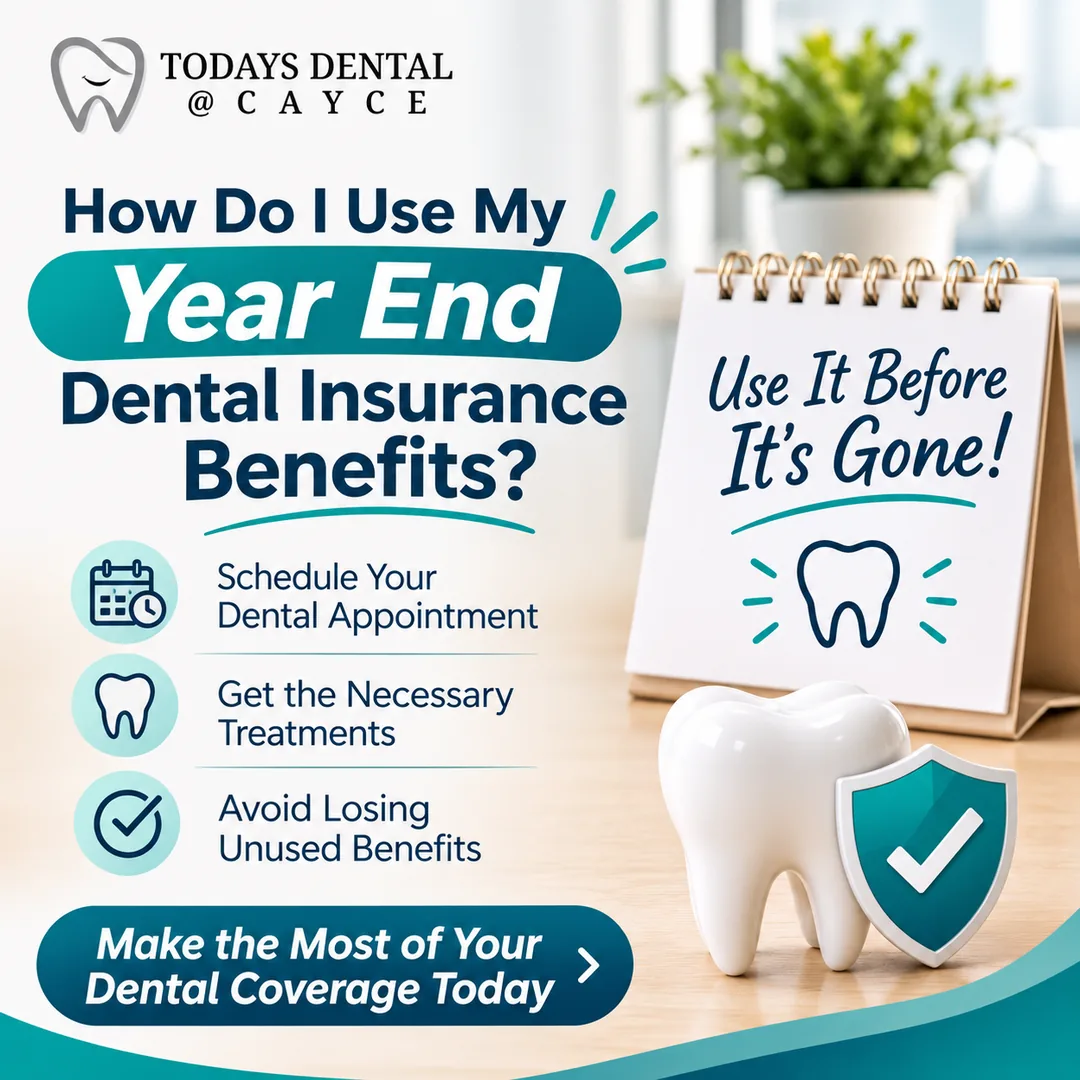
People with individual dental insurance often find that unused benefits do not carry over. Many plans set a December 31 deadline, but some use a different plan year. Patients can check their plan’s reset date and annual maximum to see what coverage remains.
Patients often discover that the annual maximum is a cap on what the plan pays, not savings for next year. Using available benefits before they expire can help them get value from premiums they have already paid.
A plan member may reach December with year end dental insurance benefits still unused and wonder if they will carry over. Many individual dental insurance plans set a December 31 deadline, but some use a different plan year.
Members can check their plan details for the benefit year, annual maximum, covered services, and remaining amount. The annual maximum is the most the plan will pay during that year. It is not a savings balance that carries over.
Many insurers set December 31 as the deadline, but some plans use a different benefit year. Members can confirm the reset date in their plan details to find out when unused benefits may expire.
After reviewing what remains, patients can focus on care that fits the current plan year. Booking early gives them more time to use available benefits before the deadline.
Schedule appointments as soon as possible. Many insurance plans end on December 31, so acting quickly is key. If you wait too long, available spots may fill up fast. Check your coverage details to see what services are still covered before the deadline hits.
Routine check-ups and cleanings should top the list. Major treatments like crowns or braces often need more than one visit; getting these started early makes sense. Using benefits now means saving money later on necessary dental work.
After scheduling those important appointments, it’s wise to prioritize outstanding treatments and preventive care next.
After scheduling necessary appointments before benefits expire, focusing on outstanding treatments and preventive care becomes essential. Many patients often overlook their dental needs until it’s too late. Completing recommended treatments ensures coverage is utilized effectively and protects oral health.
Preventive care such as cleanings and checkups frequently provides the best value since insurance usually covers them at high percentages or even fully. Patients should not miss opportunities for routine visits; these can prevent costly procedures later.
Prioritizing extensive treatments like crowns or braces before year-end helps maximize coverage while addressing urgent dental concerns. Taking action now will save money and reduce stress in future dental visits.
Utilize remaining coverage for fillings, cleanings, or major work. Schedule those routine cleanings and checkups before the end of the year to maximize benefits. Dental plans often fully cover preventive care, so clients should take advantage of that first.
Fillings and other restorative treatments can also eat into annual limits quickly. Completing extensive procedures like crowns or braces is wise too since they may require multiple visits.
Clients must check their plan details first. Understanding what services remain helps them make informed decisions on necessary treatments. Planning ahead prevents last-minute scrambles as the year ends. Next, knowing key strategies for maximizing dental coverage makes all the difference in secure benefits before they expire.
Knowing a dental plan's annual deadlines and limits gives people an edge in managing their benefits. Many plans reset on December 31, meaning unused coverage disappears. Working closely with the dental office staff can smooth out any confusion about appointments or treatments. They often help track claims and understand remaining benefits.
Tracking claims helps avoid surprises later. Keeping a close eye on out-of-pocket costs ensures individuals know what to expect financially. Individuals benefit from early scheduling, especially as December approaches; this avoids limited appointment availability when time runs short.
By understanding their plan’s details, they make the most of the money they have already spent through premiums while enjoying great oral health care.
Each dental insurance plan has its own deadlines and limits. Most plans reset benefits on December 31. Unused benefits typically do not carry over into the new year. People should check their specific plan details to know when coverage ends.
Understanding one’s annual maximum is essential. This amount represents the most a plan pays throughout the year, not a savings account for future use. Some preventive services are fully or highly covered, making them a smart choice before deadlines hit.
This knowledge helps individuals make informed decisions about necessary treatments as the year wraps up. Scheduling checkups and cleanings will keep patients on track with their dental health goals while maximizing their coverage options for any needed work ahead of time.
Communicating frequently with the dental office staff boosts your chances of making the most of your benefits. They can help track remaining coverage and remind you about deadlines. Staff members know which treatments are best suited for year-end scheduling.
Getting in touch keeps things running smoothly as appointments fill up fast during December. Many patients forget to book in advance, leading to stress later on. The right conversation will clear up any questions about using benefits wisely before they expire. This approach paves the way for a review of remaining dental insurance benefits that await attention next.
Tracking claims and benefits usage helps individuals understand their dental coverage. They should regularly check their plan details, including the annual maximum and covered services. This approach clarifies what remains available before the year ends.
Keeping a record of claims aids in managing out-of-pocket costs too. Individuals can stay informed about any treatments they may need to schedule before the benefits reset at year-end. To maximize value from their plans, they must pay attention to deadlines as well.
Tracking claims helps identify how much of your dental insurance benefits remain. Checking the specifics of your plan is essential. Many plans have a benefit deadline on December 31, after which unused benefits typically disappear. Annual maximums serve as limits; they don’t let you carry money over to the next year.
Individuals should focus on preventive care first. Cleanings and checkups often come at little or no cost, making them great options before year-end. Extensive treatments may need more planning since they might require multiple visits, so scheduling early can prevent last-minute stress.
Understanding these details ensures that individuals get full value from what they already paid through premiums for their coverage.
After understanding remaining dental insurance benefits, one can take steps to maximize year-end coverage. These strategies will help in making the most out of available benefits.
These strategies serve as a guide to ensure individuals use their benefits wisely before the year ends while making informed decisions about dental care, including any applicable tax benefits of year-end giving through health spending options like Flexible Spending Accounts (FSAs).
People should book check-ups and cleanings before their benefits reset. Many insurance companies set a deadline of December 31 for unused benefits. Once the new year starts, those benefits typically do not carry over. Scheduling appointments early in the fourth quarter can help avoid limited availability later on.
Routine cleanings and check-ups are often fully covered or paid at a high percentage. This makes them an excellent way to use up remaining coverage. Generally, extensive treatments take multiple visits, so planning ahead is crucial. Using these benefits helps individuals get value from what they have already paid for through premiums.
Completing pending or recommended treatments before the year ends can save money and promote good dental health. Dental plans often have annual limits, which means any unused benefits may vanish on December 31.
Getting those cavities filled, crowns placed, or braces adjusted keeps smiles bright while maximizing what's left in the plan.
Scheduling these essential treatments sooner rather than later ensures timely access to care. Many procedures require multiple visits, so it’s wise to book appointments early. Taking advantage of available coverage allows individuals to enjoy their benefits fully instead of letting them expire.
Using what has already been paid for through premiums proves practical and rewarding in the long run, especially with preventive care that offers great value.
Completing pending or recommended treatments sets the stage for what’s next. Individuals must focus on procedures that fall under annual limits set by their dental plans. These services often have a cap, which means they may not carry over into the new year.
Scheduling these treatments before benefits expire helps make sure people get full value from what they've paid through premiums.
Procedures like crowns, orthodontics, or implants are good candidates for this urgency. They usually require more than one visit but can maximize coverage if planned correctly. By addressing these specific needs now, individuals avoid losing out as December 31 approaches.
The clock is ticking; getting these done promptly ensures people do not waste their dental insurance benefits this year.
Know your plan’s deadlines and coverage details. Many insurance companies set a benefit deadline of December 31, after which unused benefits usually disappear. Staying aware of these dates can help a person avoid losing out on valuable coverage.
Regular communication with the dental provider pays off. Patients should ask questions about remaining treatments and urgent needs. Tracking claims and remaining benefits also proves essential in personal finance planning.
Keeping an eye on out-of-pocket costs helps maximize what one gets from their hard-earned premiums while securing appointments before year-end rushes ensures access to timely care.
Dental plans have specific deadlines that individuals need to follow. Many insurance companies set a benefit deadline of December 31, which means any unused benefits typically do not carry over into the new year.
Each dental plan operates on an annual maximum, which acts as a cap on what the company will pay for services; it does not function like a bank where money accumulates for later use.
Checking the details of your coverage is essential. Knowing your plan’s limits and covered services directly impacts how effectively you can use your benefits before they expire.
For example, preventive care often comes at a high percentage or is fully covered, making routine check-ups and cleanings valuable options to maximize coverage.
Keeping in touch with a dental provider makes all the difference. Regular communication helps track urgent needs and outstanding treatments. Patients should ask questions about their coverage and benefits as deadlines approach.
Understanding plan limits allows for better decision-making when scheduling appointments. Open dialogue with the dental office staff ensures patients don’t miss out on necessary procedures before year-end.
Staying proactive increases the chances of making the most of insurance benefits, especially as time runs out each December.
Communicating regularly with the dental provider helps in tracking claims and understanding remaining benefits. Patients should check their plan details, including the annual maximum and covered services. This knowledge reveals what is still available for use before year-end.
Tracking claims ensures that patients do not miss out on coverage they have already paid for through premiums. They can monitor their usage throughout the year to maximize benefits. With many plans resetting on December 31, acting swiftly prevents losing valuable insurance dollars.
Dental office teams often see patients use year-end visits for preventive care and recommended treatment.
| Procedure | Why consider it before year-end |
|---|---|
| Cleanings and checkups | Often covered at a high rate or in full. |
| Fillings and crowns | Recommended care may use benefits before the annual cap resets. |
| Implants and gum contouring | Extensive work may take more than one visit. |
| Braces or cosmetic procedures | Consider them if the plan covers the treatment. |
Many people overlook routine cleanings and exams as the year draws to a close. These appointments play a crucial role in maintaining dental health. Regular checkups often cover preventive care fully or at a high percentage. Scheduling a cleaning before the benefits reset allows individuals to use their coverage wisely.
Completing these appointments helps catch any potential issues early, reducing future costs and hassle. Additionally, insurance companies typically do not roll unused benefits into the next year; thus, timely visits ensure people maximize their plans. Enjoying good oral health starts with these essential steps toward bright smiles and healthy teeth!
Fillings, crowns, and other restorative treatments can help keep teeth healthy. Patients often consider these options before year-end. They might need fillings for cavities or crowns for damaged teeth. These procedures may take more than one visit, so scheduling early is key.
Using benefits wisely boosts value from the dental plan. Individuals should consult their dentist to determine which treatments qualify under their coverage. Staying informed ensures patients get necessary work done while using available benefits before they disappear at year-end.
Elective procedures, like orthodontics, can make a significant difference in one’s smile. Many plans cover part of the cost for braces or aligners. Individuals interested in these options should check their benefits first. They often face limits on coverage each year.
Scheduling these treatments before benefits reset is wise. Extensive work requires multiple visits, which makes timely appointments essential. Taking advantage of remaining coverage helps maximize value and minimizes out-of-pocket expenses down the road.
After considering orthodontics or elective procedures, reviewing overall dental insurance benefits becomes crucial for smart planning.
People should check their dental insurance details closely. They need to know the benefit year and what services are covered. A plan's annual maximum acts like a ceiling; it does not allow members to save unused funds for the future.
Many plans reset at the end of December, so no one wants to lose benefits they have already paid for through premiums.
Preventive care often comes with high coverage rates or may even be fully covered. Scheduling cleanings and checkups before year-end helps people avoid losing these valuable benefits.
Checking on remaining benefits ensures individuals can maximize their insurance use before deadlines hit, especially as appointment availability shrinks leading up to New Year’s Day.
Year-end is a critical time for dental insurance. Taking steps now can save money and ensure proper care.
Acting on these steps ensures one uses their dental benefits wisely before the year's end arrives swiftly!
Now that the focus is on effective strategies for dental insurance, checking the remaining annual benefits and claim deadlines becomes crucial. Many insurance plans reset their benefits on December 31st.
This means any unused features typically vanish when the new year starts. Knowing your specific plan details helps avoid losing out on valuable coverage.
Tracking what’s left in your plan empowers better decisions about appointments and treatments. Each plan sets an annual maximum, which caps what the insurer pays; this isn't money saved for later use.
Understanding these limitations guides choices for necessary care before benefits expire. It also opens doors to maximizing coverage through preventive measures like cleanings and checkups, often fully covered or highly valued by insurers.
Keeping a close watch on these timelines ensures you get all you can from hard-earned premiums while managing long-term oral health effectively.
Schedule cleanings, exams, and treatments before the year ends. This helps use benefits that may disappear after December 31. Taking advantage of preventive care is wise because it often has low or no out-of-pocket costs. Many people miss out on important appointments as deadlines approach.
Booking an appointment earlier in the fourth quarter can ensure better availability. Extensive treatments like crowns or braces might need multiple visits. Completing these procedures before benefits reset maximizes coverage value. Being proactive about dental health pays off and prevents potential last-minute rushes!
Focus on treatments that help get the most from your insurance. Major procedures, like crowns or braces, often require more than one visit. Booking these well before deadlines ensures they fit within your annual limits. People should use their coverage wisely and schedule check-ups and cleanings early in the fourth quarter to avoid limited availability later.
Consulting your dental office staff can highlight which services still qualify for benefits this year. Understanding plan details lets individuals know what remains available and allows them to take full advantage of their yearly maximums.
Using benefits before expiration means getting value from premiums already paid as part of a Medicare login process might reveal other options too.
Communicate with the dentist about urgent needs. Doing this can help prioritize necessary treatments before benefits expire. Understand plan limitations, waiting periods, and exclusions to avoid surprises.
Tracking claims and out-of-pocket costs ensures awareness of what remains available in your coverage. Many insurance plans reset on December 31; use it as a deadline for utilizing year-end dental benefits efficiently.
Regular checkups are often fully covered, so scheduling one can be a smart move that keeps smiles bright into the new year without added costs related to tax benefits of year-end giving.
Patients should discuss any urgent dental needs with their dentist. Urgent issues can often lead to further complications if left untreated. They must express concerns clearly and promptly.
Dental offices appreciate direct communication, as it aids in prioritizing appointments effectively. This proactive approach ensures that necessary treatments fit within the current plan year.
Discussing immediate problems helps patients utilize their insurance benefits before they expire. It also allows for better planning of future care that may require more than one visit, especially for extensive treatments like crowns or braces. Tracking these conversations contributes to efficient management of dental health and proper use of benefits.
Dental plans often come with limitations and waiting periods. Unused benefits typically do not carry over into the next year, especially if your plan resets on December 31. The annual maximum caps what the plan pays for services; it's not a savings account for future use.
Waiting periods can delay coverage for certain treatments. For example, patients may need to wait several months before obtaining major procedures like crowns or braces. Exclusions might apply as well; some elective services could be out of network or entirely uncovered.
Knowing these details allows individuals to maximize their dental insurance effectively. Next, they should track claims and benefits usage closely for optimal outcomes.
Tracking claims and out-of-pocket costs helps individuals understand their dental benefits better. Many insurance plans have an annual maximum, which acts like a cap on coverage payments.
Individuals should keep a record of how much they’ve spent and what remains available for the year. This information allows them to make smart choices about future treatments.
Monitoring these expenses is essential as many benefits reset at year-end. Unused funds typically do not carry over. Staying organized can help individuals avoid losing money they’ve already paid through premiums.
Being aware of remaining balances means patients can prioritize necessary procedures before deadlines approach, maximizing dental care value while managing expenses efficiently.
Dental office teams often see patients use year-end visits for preventive care and recommended treatment.
| Procedure | Why Consider It | Year-End Timing |
|---|---|---|
| Cleanings and checkups | Often covered at a high rate or in full | Book before the plan year ends |
| Crowns and implants | May need more than one visit | Schedule recommended care before the annual cap resets |
| Braces and gum contouring | Can involve multiple visits | Check whether the plan covers them |
Next up, routine cleanings and exams offer essential benefits. Regular check-ups help catch problems early. Many insurance plans cover these visits fully or at a high percentage. This makes them great for maintaining good oral health.
Scheduling your cleanings before the year ends allows you to use those valuable benefits effectively. These appointments typically don’t take long but can save time and money down the line.
The office staff often encourages booking early in the last few months of the year to avoid full schedules in December. Plus, getting that preventive care helps protect teeth from more serious issues later on, making it a smart move for anyone looking to maximize their dental insurance before it resets!
Fillings, sealants, and restorative work are essential for maintaining good oral health. Many people overlook these treatments until it's too late. Fillings address cavities caused by tooth decay. They restore teeth to their natural shape and function. Sealants provide a protective barrier against cavities, especially in young children.
Restorative work goes beyond basic fillings. It includes crowns, bridges, and implants for damaged or missing teeth. These procedures may require multiple visits but offer long-term benefits.
Individuals should schedule these treatments before year-end deadlines to maximize insurance benefits. Taking action now helps make the most of coverage already paid through premiums while keeping smiles bright and healthy!
Orthodontic and cosmetic procedures can be valuable options if covered by the insurance plan. Extensive treatments, like braces or veneers, often require several visits. Using benefits for these services before the year ends can save money and improve smiles. Checking the plan details beforehand helps determine if these procedures qualify under coverage.
Utilizing dental benefits for orthodontics or cosmetic work ensures that patients maximize what they have already paid for through premiums. Taking action before December 31 allows individuals to avoid losing any unused benefits while achieving their desired dental goals.
Check your plan’s end date. Many plans reset on December 31, but yours may differ. Book care before your benefits renew so you do not leave covered care unused.
Ask your insurer about your remaining annual limit, deductible, and coverage. Then ask your dentist for an estimate. That can help you avoid a surprise bill.
Often, yes. Your plan may cover part of treatment, such as a filling or crown. Call your insurer and dentist soon. Some treatments need approval, and appointments can fill fast.
No. Tax benefits of year-end giving relate to eligible charitable donations, not dental insurance. Keep these matters separate, and ask a tax professional about your donation.
Tell us a little about what you need — we'll be in touch shortly.
1305 Knox Abbott Dr suite 101, Cayce, SC 29033, USA
Hi! I'm Tooth fairy! Your AI Assistant Ask me anything